
-
Home
- Shop by Category
-
Lolita Fashion
- Sweet Lolita
- Gothic Lolita
- Classic Lolita
- Hime Lolita
- Country Lolita
- Wa, Qi & Hanfu Lolita
- Shiro & Kuro Lolita
- Old School Lolita
- Aristocrat Lolita
- Whimsical & Animal Prints
- Strawberry & Fruit Lolita
- Military & Academy Lolita
- Regency & Empire Style
- Specialty & Uniform Styles
- Storybook & Fantasy
- Ouji & Boystyle
- Japanese Substyles
-
Gothic & Punk
- Footwear
- Collections
-
Ouji
Cart
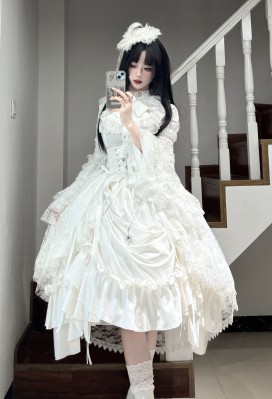
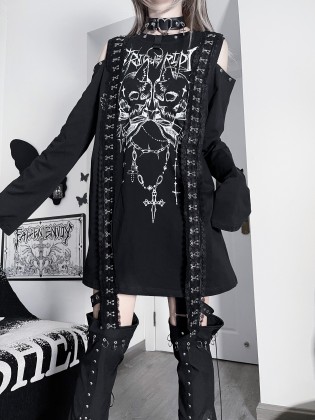
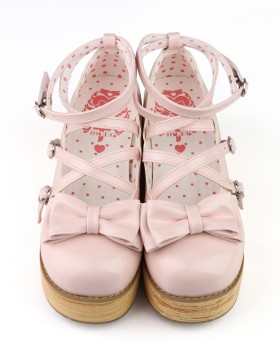
Japanese Street Fashion: History, Core Traits, Iconic Style & Sub-styles
Introduction
Japanese street fashion is a dynamic, ever-evolving subculture that took root in Tokyo’s most energetic districts—Harajuku, Shibuya, and beyond—during the late 20th century. Unlike Western fashion, which often revolves around seasonal designer dictates, Japanese street style is defined by unapologetic self-expression, youthful rebellion, and boundless creativity.
It’s more than clothing; it’s a movement—a bold declaration of individuality, driven by the vitality of youth. By the 1990s and 2000s, this cultural phenomenon gained global acclaim through iconic publications like FRUiTS and KERA, which captured the eclectic, avant-garde looks that turned Tokyo’s streets into living runways.
Today, Japanese street fashion remains a global trendsetter, seamlessly blending traditional aesthetics with futuristic innovation. Its legacy endures not just in garments, but in its celebration of “who you are” over “what’s trending.”
History
The foundations of Japanese street fashion were laid in the 1950s, as pioneering brands began crafting designs tailored to emerging youth culture—moving beyond mainstream fashion to cater to a generation eager to define their own style.
The 1960s and 1970s marked a pivotal shift, with Tokyo’s Harajuku district emerging as a hotbed of experimentation. Here, youth culture flourished, shaping trends that rippled through the 1980s and 1990s. This era saw rapid style evolution, with trends shifting at a pace unmatched in Western fashion, fueled by a hunger for novelty and self-reinvention.
By 2003, Japanese hip-hop—once confined to Tokyo’s underground clubs—burst into the mainstream, redefining street style. Young people embraced over sized silhouettes, sun-kissed skin, and urban edge, mirroring the aesthetics of their favorite artists and blurring lines between music and fashion.
While the 1990s and early 2000s marked a golden age for many street fashion trends, their momentum softened in the late 2000s. Yet, their influence remains undeniable, continuing to inspire new waves of innovation and sub-cultural expression.
Over time, Japanese street fashion has spawned a rich tapestry of sub-styles—each with its own rules, icons, and spirit. Below, we break down the most prominent ones to help you explore, discover, and connect with the styles that resonate most.
Today's Popular Style & Sub-style
|
Lolita Fashion |
Kawaii Fashion |
Gothic&Punk Fashion |
Other |
| Sweet Lolita | Jirai Kei | Gothic |
Gyaru |
| Classic Lolita |
Fairy Kei |
Punk |
Mori Kei |
| Gothic Lolita |
Yume Kawaii |
Cyber Gothic |
JK Uniform |
| Hime Lolita | Megu Kei |
Oi Punk |
Otome |
| Ouji Lolita | Kimo Kei |
|
Visual Kei |
|
Country Lolita |
Yami Kawaii |
|
|
| Punk Lolita |
Decora |
|
|
- SHOPPING ASSISTANT
- Measurement Guide
- Shopping Guide
- Shoes Tips
- Wig Care
- Tailor-Made Services
- How to Wear
- Buyer Gallery
- Brand Gallery
- CUSTOMER CARE
- Shipment Info & Rates
- Order Process
- Payment Methods
- Return & Exchange Policy
- Register & Login
- Reviews
- Affiliate
- Wholesale & Group Order
- ABOUT & POLICIES
- About Us
- Contact Us
- Blog
- FAQs
- Privacy & Terms
- Links
- Sitemap
- Intellectual Property Rights
- Join our community
